Theater or Couch? How Day-and-Date Releases Are Forcing Hollywood to Pick a Side
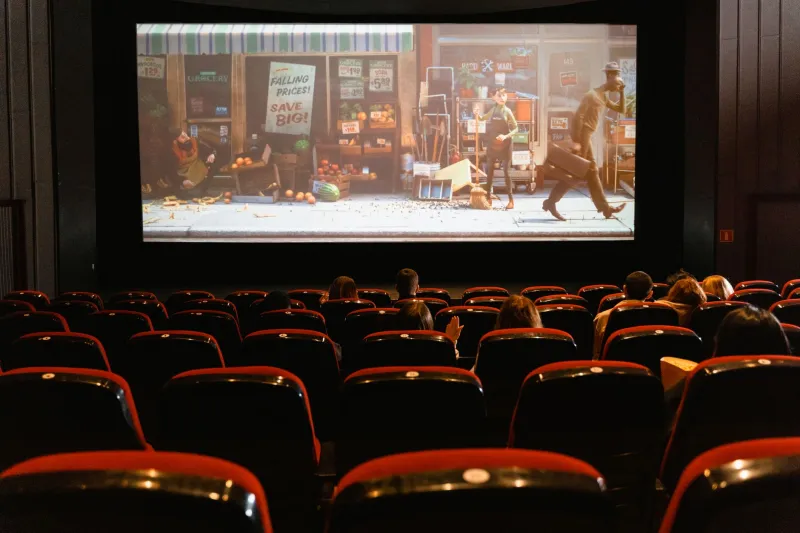
There was a time when a movie's opening weekend felt like a cultural event. You either showed up or you missed out. Now, for a growing number of major releases, showing up means firing up your streaming app from your living room at the same moment the credits roll in a theater across town. Day-and-date releasing — dropping a film simultaneously on streaming and in cinemas — has gone from a pandemic-era emergency measure to something that's starting to look a lot like a permanent strategy.
And depending on who you ask, that's either the most sensible evolution in movie distribution history or a slow-motion disaster for the theatrical experience.
What "Day-and-Date" Actually Means (and Why It Matters Now)
The traditional theatrical window — the exclusive period during which a film plays only in cinemas before moving to home video or streaming — used to run around 90 days. Studios and theater chains operated under a gentleman's agreement: give us the window, and we'll give you the marquee. That deal held for decades.
Then COVID hit, theaters shuttered, and studios panicked. Warner Bros. dropped its entire 2021 slate on HBO Max the same day each film opened in theaters. Disney sent Mulan, Raya and the Last Dragon, and Black Widow to Disney+ with a premium access charge. Suddenly, audiences discovered they could watch a new release from their sectional sofa, and some of them really, really liked that.
The window shrank. What was 90 days compressed to 45, then 30, and in some cases, it disappeared entirely. The pandemic ended. The shortened windows stuck.
Who's Winning the Argument Right Now
Streaming platforms have a clear incentive to push for simultaneous releases. Every major film that lands on a platform the day it opens in theaters is a subscriber retention tool. It gives people a reason to keep paying the monthly fee. It generates buzz. It drives sign-ups.
"A tentpole day-and-date release is basically a marketing event for the platform itself," says one entertainment industry analyst who has tracked streaming economics for the past decade. "Studios that own their own platforms have a very different calculation to make than studios that are licensing to a third party. When you own the pipe, you want the biggest content flowing through it as fast as possible."
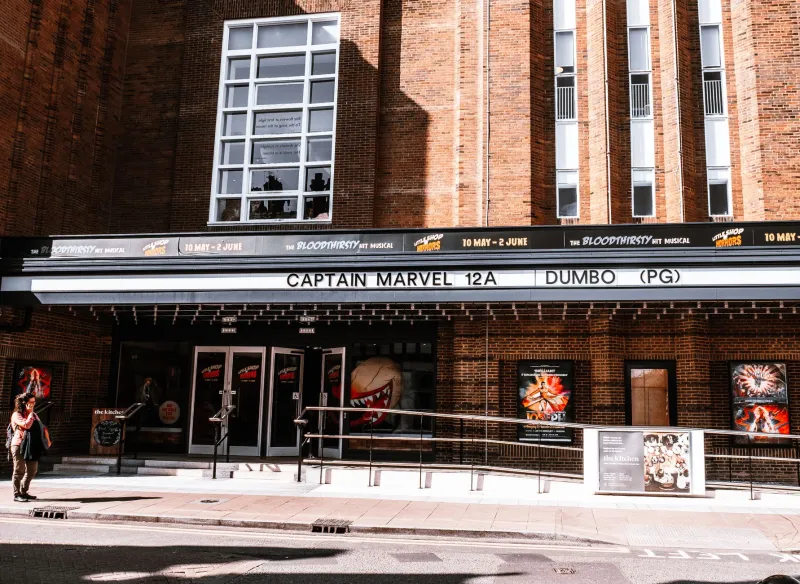
For theater owners, the math runs in the opposite direction. The National Association of Theatre Owners has been vocal about the damage shortened windows cause to exhibition revenues, arguing that exclusivity is the only real leverage theaters have to draw audiences out of their homes. When a film is available on streaming the same day, casual moviegoers — the ones who make up the bulk of ticket sales, not the die-hard cinephiles — often choose the couch.
"We're not competing with other theaters anymore," one regional multiplex owner told us. "We're competing with a $15-a-month subscription that already lives in someone's pocket. The exclusive window was the only thing that made us essential."
The Box Office Math Is Getting Complicated
Here's where things get genuinely murky. Day-and-date releases have produced wildly inconsistent box office results, making it nearly impossible to draw clean conclusions about the strategy's effectiveness.
Some films released simultaneously on streaming and in theaters have still managed respectable theatrical runs, particularly those with strong visual spectacle — the kind of thing that genuinely benefits from a large screen and a surround sound system. Others have cratered at the box office in ways that analysts attribute directly to the streaming option cannibalizing ticket sales.
The challenge is that studios don't always release streaming viewership data, which makes apples-to-apples comparisons nearly impossible. A film might look like a box office disappointment while quietly racking up tens of millions of streams — a win by one metric, a loss by another.
"We're in a period where the industry doesn't have a shared language for success anymore," the same analyst noted. "A studio can claim a day-and-date release was a win because it drove subscriptions, even if it would have made more money with a proper theatrical run. There's no neutral scorekeeper."
What Theaters Are Doing to Fight Back
Exhibitors aren't sitting still. Premium large format screens — IMAX, Dolby Cinema, and similar offerings — have become a key part of the theatrical value proposition. The argument goes that no matter how good your home setup is, it can't replicate a true IMAX experience. Premium formats now account for a disproportionate share of box office revenue for major releases, which suggests that when theaters offer something genuinely differentiated, audiences will pay for it.
Some chains are also leaning into the social and experiential angle: dine-in theaters, event screenings, fan-focused midnight showings. The idea is to make going to the movies feel like an occasion rather than just a content delivery mechanism.
"The theaters that are struggling are the ones trying to offer the same thing streaming already does, just on a bigger screen," one exhibition consultant observed. "The ones finding a path forward are the ones that understand they're selling an experience, not just access to a movie."
The Audience Is Splitting in Real Time
Perhaps the most significant shift is happening at the audience level. Moviegoing has become increasingly bifurcated. On one end, you have dedicated cinephiles and franchise superfans who will show up opening night regardless of streaming availability — the people for whom the theatrical experience is part of the ritual. On the other, you have a much larger casual audience that has genuinely recalibrated its habits since the pandemic and now defaults to streaming for most content.
Day-and-date releasing serves the second group well. It may be slowly eroding the first group's sense that the theater is a special destination.
For a platform like Movie24, the always-on streaming world is the baseline assumption. But even from that vantage point, there's something worth preserving about the idea that some movies deserve a moment — a specific, shared, cultural moment — before they become just another title in an endless scroll. Whether Hollywood can figure out how to protect that moment while also feeding the streaming machine is the defining distribution question of the decade.
And right now, nobody has a clean answer.