Does It Matter When You Press Play? The Surprising Science of Time-Based Movie Watching
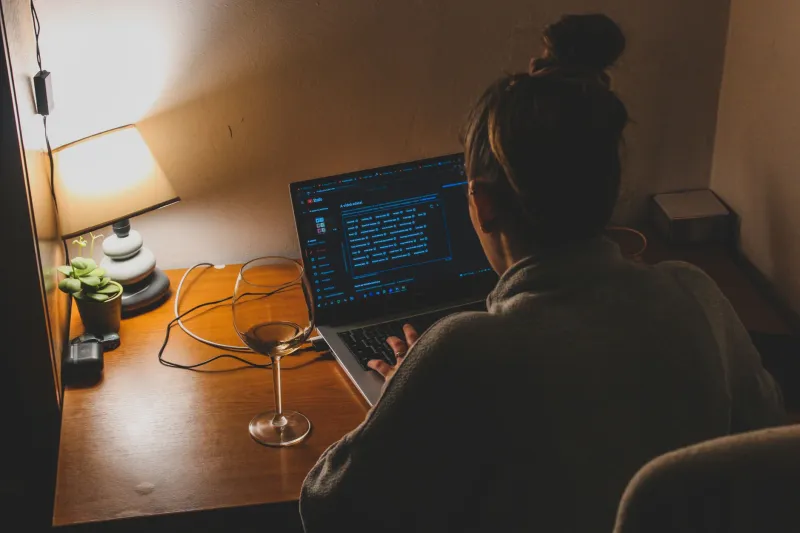
Here's something that probably hasn't crossed your mind mid-scroll: the exact moment you decide to start a movie might matter just as much as which movie you pick. Not in some vague, philosophical way — in a genuinely measurable, neurological, your-brain-is-a-different-machine-at-midnight kind of way.
We've all been there. You catch a film at 11 PM on a Tuesday and it absolutely wrecks you emotionally. You recommend it to a friend, they watch it on a Sunday afternoon, and they shrug. Same movie. Completely different experience. Turns out, that's not a coincidence.
Your Brain on Cinema: The Circadian Factor
Circadian rhythms — the internal biological clock that governs your sleep-wake cycle — don't just control when you feel tired. They actively modulate how your brain processes emotional stimuli, narrative complexity, and even color perception. Research from sleep science consistently shows that in the late evening and early morning hours, the prefrontal cortex (the part of your brain responsible for rational filtering) starts to dial back. What fills that void? Emotion. Raw, unfiltered, gut-level response.
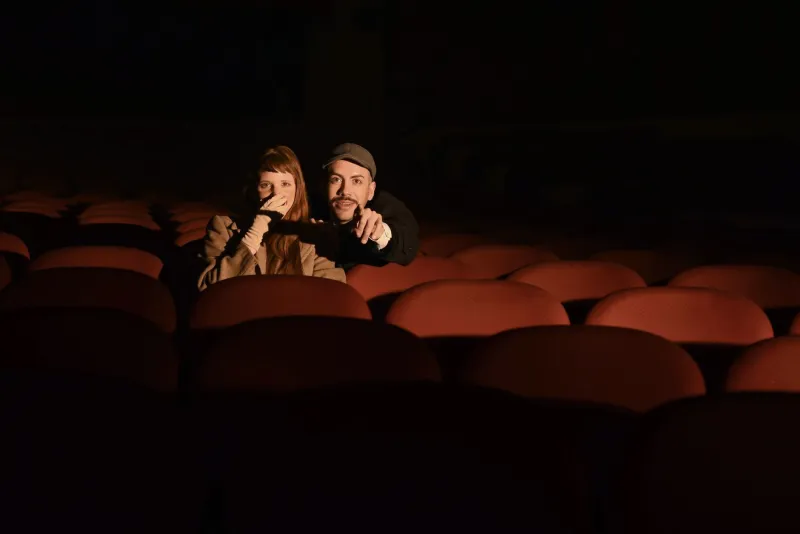
In practical terms, this means a slow-burn psychological thriller that feels methodical and slightly cold at 3 PM can feel genuinely suffocating and personal at 1 AM. Your tired brain stops analyzing and starts feeling.
Cinematographer Bradford Young — known for his deeply atmospheric work on films like Arrival and Selma — has spoken in various interviews about lighting choices being designed to interact with a viewer's emotional state rather than just serve the story visually. The idea that audiences come to films in different mental states isn't lost on the people making them.
The 6 PM Sweet Spot (And Why It's Overrated)
Conventional wisdom says early evening is prime movie time. You're alert, dinner's done, you're settled in. And sure, for certain genres, that holds up. Action films, comedies, and big ensemble pieces tend to perform best with an engaged, fully-awake audience that can track fast dialogue and appreciate precise comic timing.
But here's the thing — alert doesn't always mean receptive. A fully rested, analytically sharp brain is also a more critical one. Horror movies watched at 6 PM tend to land flat for a lot of people. Your brain is too busy poking holes in the logic. The same film at midnight, when your defenses are down and every creak in your apartment feels significant? Completely different animal.
Editors know this, too. Several industry professionals have noted that test screenings held in late-evening slots consistently generate stronger emotional responses than afternoon screenings — even when the audience composition is identical. Pacing that feels slow at 2 PM feels contemplative at 10 PM.
Films That Were Built for the Dark Hours
Some movies aren't just better late at night — they're practically designed for it. Here's a breakdown of where certain films genuinely belong on the clock:
Best watched between 11 PM and 2 AM:
- Mulholland Drive (2001) — Lynch's dreamlike structure mirrors the logic of an actual dream. Your half-tired brain stops fighting the narrative and surrenders to it.
- Under the Skin (2013) — The ambient dread and sparse dialogue hit exponentially harder when your environment is already quiet and dark.
- Lost in Translation (2003) — The jet-lag loneliness at the core of this film is something you feel rather than observe when you're running on fumes yourself.
- Annihilation (2018) — The creeping wrongness of everything in this film lands harder when your own perception is slightly compromised by fatigue.
Best watched in the early morning (5 AM – 8 AM):
- Before Sunrise (1995) — There's something about the early-morning light and that specific kind of quiet that makes this film feel lived-in rather than cinematic.
- Boyhood (2014) — The slow accumulation of time hits differently when you're watching the world wake up around you.
- Paterson (2016) — Jim Jarmusch's meditation on routine and small beauty is made for the hours when the day hasn't cluttered your head yet.
Best watched in the afternoon (1 PM – 5 PM):
- Mad Max: Fury Road (2015) — Peak alertness for peak chaos. You need your full attention to appreciate how meticulously crafted the action editing actually is.
- The Grand Budapest Hotel (2014) — Wes Anderson's precision comedy rewards a sharp, detail-oriented mind.
- Knives Out (2019) — The plot mechanics here genuinely require you to be paying attention. Don't fight it at midnight.
Ambient Light: The Variable Nobody Talks About
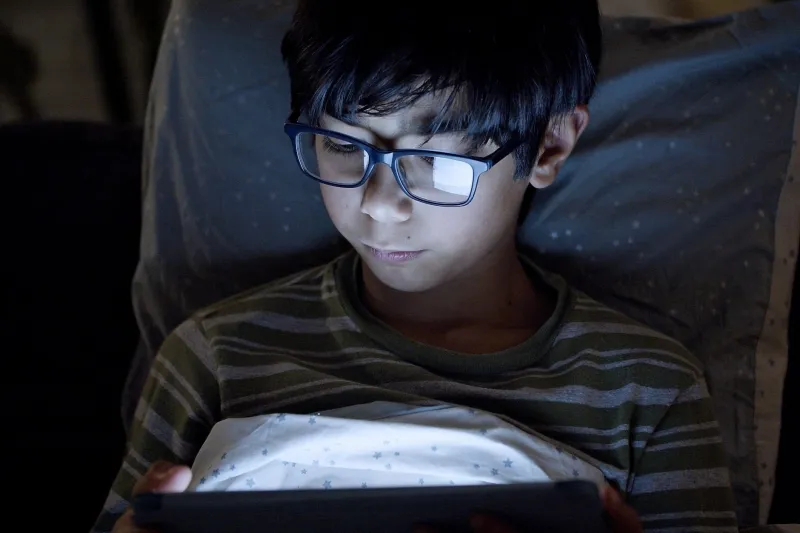
Beyond brain chemistry, there's the physical environment. Ambient light — the light in your room when you watch — changes how you perceive contrast, color grading, and even sound (yes, really; bright environments slightly elevate your perceptual threshold for audio detail).
Films shot with intentionally low-contrast, desaturated palettes — think The Road, Prisoners, or Zodiac — are visually flattened by a bright daytime room. The cinematographic choices that make those films feel bleak and oppressive require actual darkness to communicate properly. Watch Prisoners on a laptop in a sunny kitchen and it's a competent thriller. Watch it in a dark room at 11 PM and it becomes an endurance test in the best possible way.
Conversely, films that use vibrant, high-saturation color grading — Everything Everywhere All at Once, Spider-Man: Into the Spider-Verse, early Almódovar — can actually be slightly overwhelming in a pitch-black room late at night. The visual stimulation works against the fatigue-induced calm your brain is trying to settle into.
How to Actually Use This Information
Look, nobody's saying you need to schedule your movie watching like a NASA launch window. But there's something genuinely useful in understanding that you're not just picking a movie — you're picking a movie for a specific version of yourself.
A few practical takeaways:
- Save your heavy, slow-burn watches for late night. Films that demand emotional surrender rather than intellectual engagement will hit harder when your analytical brain is running low.
- Don't waste a great comedy on a tired audience. Timing and wordplay require processing speed. If you're exhausted, you'll miss half the jokes.
- Match the film's visual palette to your environment. Dark, desaturated films need a dark room. Bright, kinetic films can handle ambient light.
- Early morning is underrated for quiet, character-driven films. There's a specific headspace in the first couple hours of daylight that makes introspective cinema feel almost meditative.
The Platform Angle
Streaming services are already quietly aware of all this. Recommendation algorithms factor in time-of-day data — not just what you've watched, but when you watched it and whether you finished it. If you consistently abandon slow films in the afternoon but complete them at night, the algorithm learns that. It's essentially building a time-based profile of your viewing preferences without ever telling you.
Which means your streaming platform might already know the best time for you to watch that film sitting in your watchlist. The question is whether you trust it — or whether you'd rather just understand the science yourself and make the call.
Either way, next time you're hovering over that play button, maybe glance at the clock first. It might matter more than you think.