Sleepless and Savvy: How Insomniac Streamers Are Becoming the Most Informed Oscar Voters Nobody Talks About
There's a running joke in film Twitter circles that the most dangerous person in any Oscar prediction thread isn't the seasoned critic or the Hollywood insider — it's the insomniac who just finished watching a director's entire back catalog between 1 and 5 AM on a Tuesday. And honestly? The joke is becoming less funny and more prophetic by the year.
Streaming has done a lot of wild things to the movie industry. It blew up the theatrical window. It made niche foreign-language films household names. But one of its quietest, most underappreciated effects is this: it has minted a whole generation of deeply, almost obsessively informed film viewers who exist almost entirely outside the traditional awards-season ecosystem — and they're starting to matter.
The 24/7 Film School Nobody Enrolled In
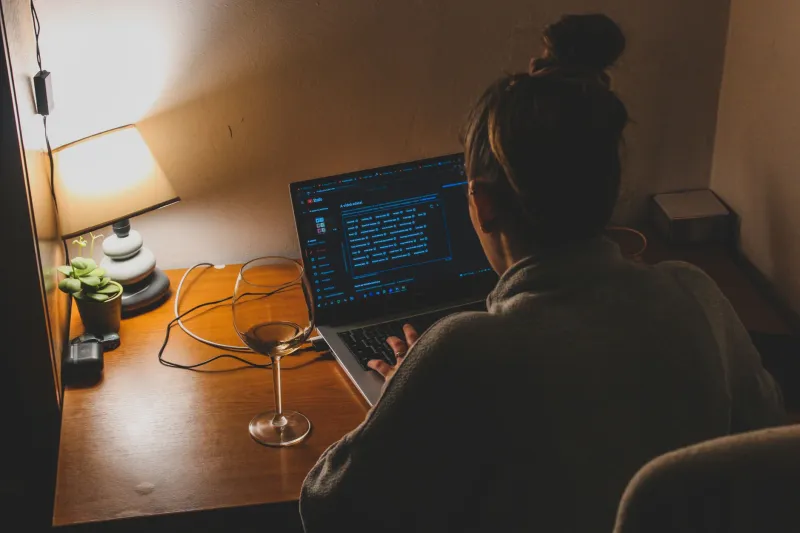
Let's set the scene. It's 2:30 AM somewhere in Ohio. A nurse just finished a 12-hour night shift, pours a bowl of cereal, and opens up a streaming app. She's been hearing buzz about a certain arthouse drama that's been making the festival rounds. One click leads to another, and by sunrise, she's not only watched the film in question — she's gone three layers deep into the director's earlier work, read the original source material's Wikipedia page, and posted a 400-word breakdown on Letterboxd.
Multiply that by tens of thousands of people on any given night, and you start to understand why streaming analytics teams are paying very close attention to late-night viewing patterns during awards season.
"The data we see between midnight and 6 AM during October and November is genuinely some of the most engaged viewing we track all year," says one streaming data analyst who asked to remain anonymous because they weren't authorized to speak publicly. "These aren't passive viewers. They're going deep. They're finishing films, rewatching scenes, and pulling up related titles immediately after."
That behavior — obsessive, completionist, cross-referential — is exactly what separates a casual moviegoer from someone who can hold their own in a serious awards conversation.
Night Shift Voters and the Grassroots Momentum Machine
Here's the thing about Oscar campaigns: they're expensive, meticulously orchestrated, and traditionally aimed at a very specific audience — critics, guild members, and industry insiders who attend screenings, read trade publications, and get mailers from studios. That infrastructure still matters enormously. But it no longer operates in a vacuum.
Social media has always had some influence on awards buzz, but what's changed is the quality of that influence. Film Twitter and Letterboxd aren't just full of hot takes anymore. They're full of people who have genuinely done the homework — who watched the film, contextualized it against the director's body of work, and formed an opinion that can go toe-to-toe with a professional critic's.
A lot of those people are doing that work in the middle of the night.
"I work nights at a distribution warehouse," says Marcus T., a 34-year-old from Atlanta who runs a modest but respected film account on Letterboxd with over 2,000 followers. "I get home at 6 AM, and I'm too wired to sleep. So I watch movies. During awards season, I probably watch three or four films a week that are in the conversation. I've seen stuff that critics haven't reviewed yet just because I had the time and the access."
Marcus isn't a voting member of any film academy. But his reviews get read. His lists get shared. And when he says a film deserves more attention, people listen — including, occasionally, the kinds of people who do vote.
Streaming Back Catalogs as the Great Equalizer
One of the most significant shifts streaming has enabled is the ability to contextualize a film instantly. In the pre-streaming era, if a new director was getting Oscar buzz, most casual viewers had to take critics at their word about the significance of that director's earlier work. Now? You can watch their entire filmography in a weekend if you're motivated enough.
That access is reshaping which films build genuine momentum versus which films benefit primarily from studio marketing spend.
"There's a difference between a film that's been campaigned into the conversation and a film that's been discovered into it," explains film critic and podcast host Dana Reyes, who writes about awards season for several independent outlets. "When viewers — especially late-night viewers who are really engaged — go back and watch a director's previous three films and come away even more convinced about the new one, that's organic momentum. Studios can't fully manufacture that. It has to be earned."
Reyes points to several recent awards cycles where films that lacked major studio campaigns still managed to stay in the conversation well into voting season, largely because of sustained grassroots enthusiasm driven by streaming discovery.
The Letterboxd-to-Ballot Pipeline
It might sound like a stretch to connect a Letterboxd review written at 4 AM to an actual Oscar ballot. But the pipeline is more real than you'd think.
Voting members of the Academy are human beings who use social media, read film discourse online, and are influenced by the cultural conversation around films — whether they admit it or not. When a film is generating consistent, thoughtful praise from engaged viewers across platforms, that signal gets amplified. Critics pick it up. Podcasters discuss it. And eventually, it lands back in the inbox of the very people who fill out the ballots.
"The Academy has been actively trying to diversify its membership for years now," Reyes notes. "That means newer, younger members who are more plugged into online film culture. The gap between 'what film Twitter thinks' and 'what the Academy thinks' is narrower than it used to be."
That narrowing gap is good news for films that might otherwise be overlooked by traditional campaigns — and for the insomniac viewers who champion them.
So What Does This Mean for Awards Season?
If you're someone who watches movies at weird hours and takes your opinions seriously, here's the takeaway: you're not just killing time. You're part of a genuinely influential conversation.
The 24/7 nature of streaming hasn't just changed when people watch movies. It's changed who gets to be an authority on them. Night-shift nurses, international viewers in different time zones, insomniacs who can't shut their brains off — these are the people building real word-of-mouth for films that deserve it. And awards season is starting to reflect that.
Your screen never sleeps. Neither does the conversation happening around the films on it. And somewhere between midnight and sunrise, the next great awards-season underdog is probably being discovered — one restless viewer at a time.