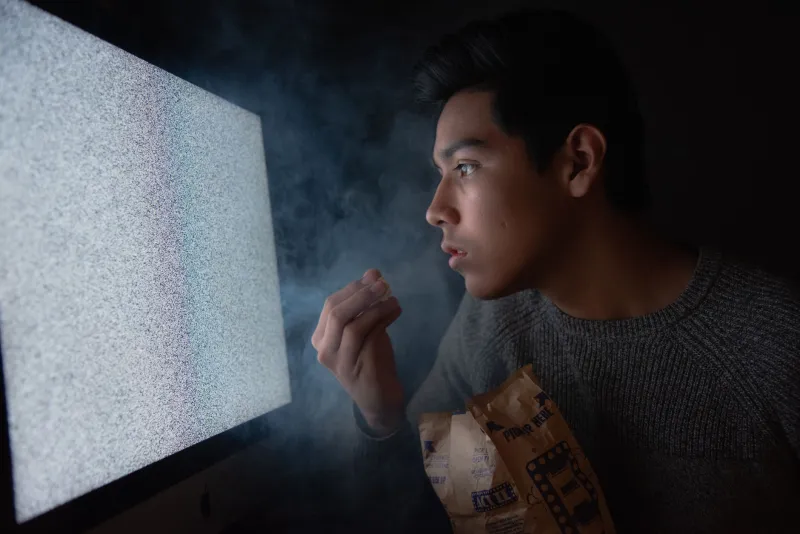
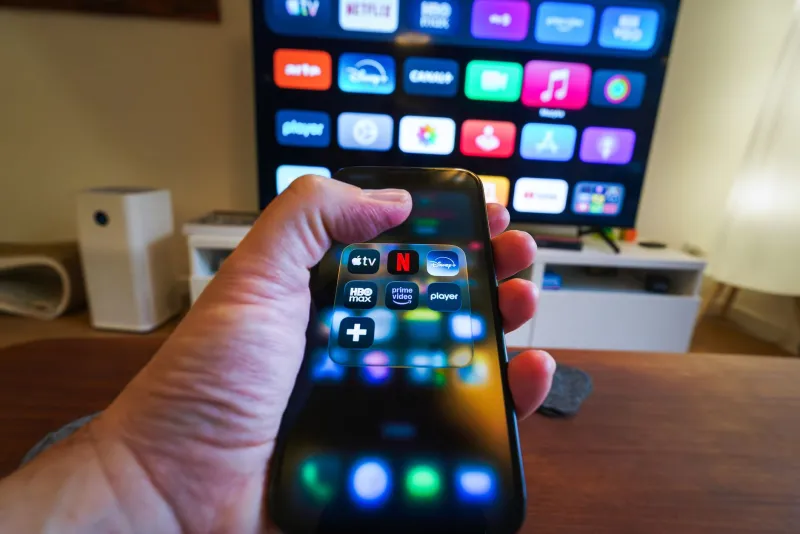
Same App, Different Movie: How Streaming Algorithms Shape-Shift Between Noon and Midnight
Open Netflix at 2 in the afternoon and you'll probably get nudged toward something breezy — a feel-good comedy, a prestige drama you've been meaning to start, maybe a documentary about something respectable like climate change or a famous chef. Open it again at 2 in the morning and suddenly the front row looks completely different. Darker thrillers. Weirder indie picks. That one horror film you scrolled past six times but never committed to. Same account. Same watch history. Totally different vibe.
This isn't a glitch. It's a feature — and it runs deeper than most people realize.
The Algorithm Never Clocks Out
Streaming platforms don't just track what you watch. They track when you watch it, how long you watch before bailing, what you skipped, what you rewound, and what you let autoplay while you were technically asleep on the couch. All of that behavioral data gets fed into recommendation engines that are constantly recalibrating.
Time of day is one of the most significant variables in that equation. Engineers at major platforms have acknowledged in various interviews and conference talks that temporal context plays a direct role in surfacing content. The logic is pretty intuitive once you hear it: a person browsing at noon on a Tuesday is probably on a lunch break with limited time and a task-oriented mindset. Someone browsing at 1 AM on a Saturday is likely in full surrender mode — open to longer runtimes, more emotionally intense material, or content they'd never admit to watching in polite company.
The algorithm picks up on that shift and adjusts accordingly.
Circadian Rhythms Meet Click-Through Rates
Here's where it gets genuinely interesting. Streaming platforms have essentially built a commercial model on top of sleep science — whether they'd frame it that way or not.
Research on circadian rhythms has long established that human cognition and emotional processing change significantly across the day. In the evening and late-night hours, the prefrontal cortex — the part of your brain responsible for measured decision-making and impulse control — is running at reduced capacity. You're more emotionally reactive, more susceptible to atmospheric storytelling, and less likely to talk yourself out of a two-and-a-half-hour runtime.
Streaming companies don't need neuroscience degrees to capitalize on this. They just need enough data to notice that horror films get clicked at higher rates after 10 PM, that slow-burn foreign language films find their audience well past midnight, and that the kind of chaotic action movie you'd never choose at 7 PM somehow feels exactly right at 12:30 AM. Once those patterns show up in the data, the algorithm gets trained to lean into them.
What the Platforms Won't Fully Admit
Ask any major streaming service directly whether their recommendation engine changes based on time of day and you'll get a carefully worded non-answer about "personalization" and "contextual relevance." None of them are going to hand you a technical whitepaper explaining exactly how the clock influences what gets surfaced.
But the evidence is in the product itself. Hulu, for instance, has experimented with what it calls "mood-based" recommendation clusters — essentially acknowledging that emotional state, not just genre preference, should drive what gets shown. Netflix has filed patents referencing "time-of-day" as a parameter in content scoring. Amazon Prime Video's algorithm is known to weigh session length and time-of-day signals heavily in its ranking models.
None of that is nefarious, exactly. But it does mean the app you think is just reflecting your tastes back at you is actually doing something more active — it's reading the moment and making a calculated bet about what version of you is sitting on that couch right now.
The Late-Night Long Tail
For the film industry, this temporal dimension of algorithmic recommendation has some genuinely significant implications. Movies that struggle to find audiences during peak primetime hours — say, 7 to 10 PM, when competition is fierce and casual viewers dominate — can still build real followings if the algorithm learns to route them toward late-night sessions.
This is part of why so many cult films have found second lives on streaming. A slow, strange arthouse film that doesn't test well in focus groups and gets buried on a platform's homepage during daylight hours might quietly accumulate millions of late-night views because the algorithm figured out it performs well with the 1 AM crowd. Viewership data from those late sessions then reinforces the film's position in the recommendation stack for similar users at similar hours. It becomes a self-fulfilling loop.
For independent filmmakers, this is actually a quietly optimistic development. The algorithm's time-sensitivity means there's a viable audience pathway for films that don't fit the mainstream mold — as long as they can find their correct hour.
So What Should You Do With This Information?
Honestly? A little awareness goes a long way. Knowing that your app is essentially serving you a different menu depending on what time it is doesn't mean you have to resist it — sometimes the midnight algorithm genuinely knows what you need better than you do. But it's worth occasionally pushing back.
A few practical moves if you want to take back some control:
- Browse in the morning for your evening watch. Your daytime self is a more deliberate decision-maker. Pick something when your judgment is sharper, then follow through on it later.
- Use search instead of browse. The recommendation carousel is where the algorithm lives. The search bar is where you can go rogue.
- Check your activity history. Most major platforms let you view and even clear your watch history. Resetting it periodically can shake up the recommendation loop.
- Lean into the weirdness deliberately. If you're already up at 2 AM, the algorithm's late-night suggestions might actually surface something you'd genuinely love. Go in with open eyes rather than passive autopilot.
The Clock Is Part of the Content
There's something kind of fascinating about the idea that a movie's meaning — or at least its impact — can shift depending on when you encounter it. The algorithm isn't wrong that Mulholland Drive hits differently at midnight than it does at 4 PM. Time of day is a real variable in how we receive stories.
What streaming platforms have done is build a machine that monetizes that variable at scale. Every hour of the day, millions of users are being served a version of their platform that's been quietly tuned to the moment. Your Screen Never Sleeps, as they say — and neither does the recommendation engine deciding what you're going to watch next.