Wide Awake and Watching: The Billion-Dollar Business of Your Sleepless Streaming Nights
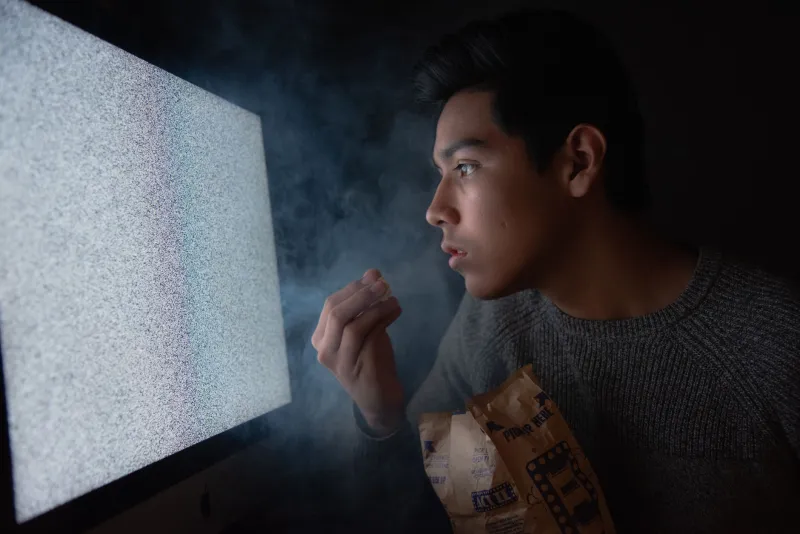
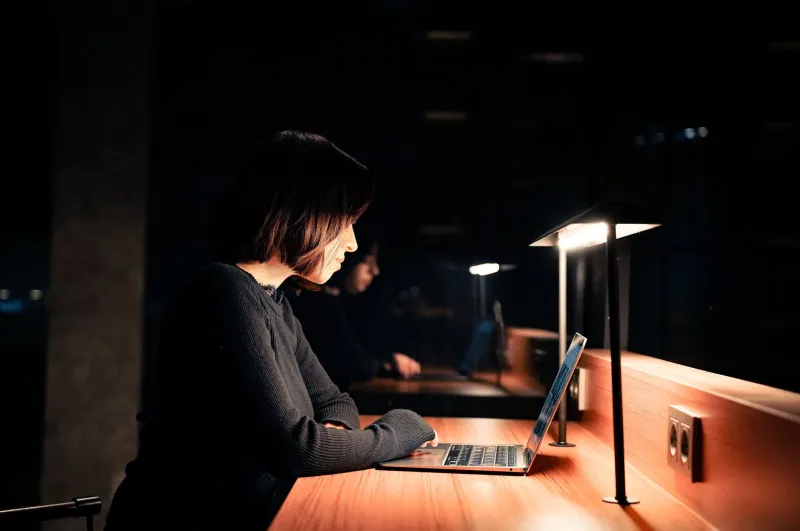
It's 2:47 AM. You've already watched three episodes of something you didn't even plan to start. The room is dark, your phone is charging on the nightstand, and the autoplay countdown is already at four seconds. You hit continue. Again.
This isn't an accident. Not even close.
Streaming platforms have spent years — and hundreds of millions of dollars — engineering the exact conditions that make it nearly impossible to close the app at midnight. And while most of the conversation around streaming strategy focuses on blockbuster releases and awards-season positioning, there's a quieter, more lucrative game being played in the small hours of the morning. Call it the insomniac economy. It's real, it's growing, and your sleepless nights are funding it.
The Numbers Don't Lie — And Neither Does Your Watch History
Industry analysts who track streaming engagement patterns have noted for years that late-night viewership — roughly 10 PM to 4 AM — accounts for a disproportionately high share of total watch time on major platforms. A 2022 analysis by streaming research firm Antenna found that subscriber engagement during late-night hours showed significantly lower pause rates and higher episode completion compared to daytime viewing windows. Translation: people watching at midnight finish what they start.
"The late-night viewer is essentially the holy grail for retention metrics," says one streaming industry consultant who asked not to be named because of ongoing client relationships. "They're not distracted by work emails or kids. They're locked in. And platforms know that a viewer who completes content is far more likely to renew their subscription."
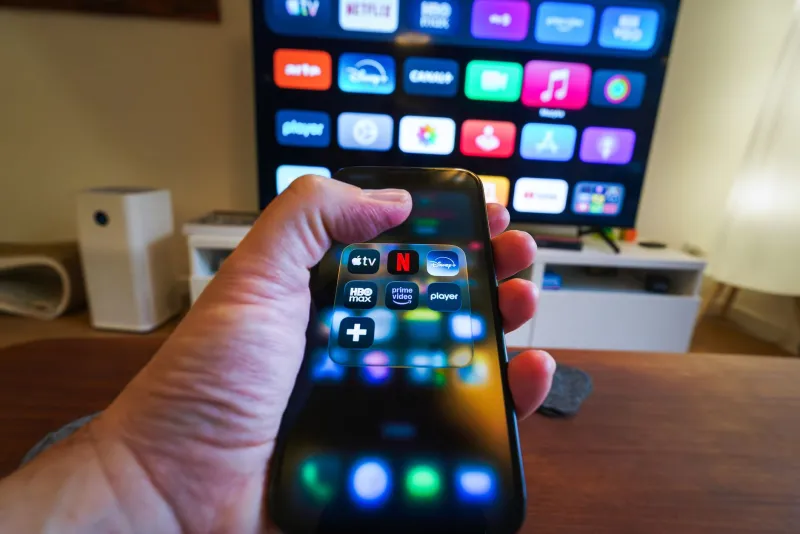
For platforms operating on subscription models — Netflix, Max, Peacock, Paramount+, you name it — retention is everything. Every completed series, every "just one more episode" moment at 1 AM is a data point that justifies the monthly charge on your credit card. The insomniac isn't just a passive consumer. They're the platform's most reliable asset.
What They Know About You After Dark
Here's where it gets a little uncomfortable. Streaming platforms collect behavioral data around the clock, but the late-night window generates a particularly rich dataset. When you watch in the dead of night, your choices are less socially influenced — you're not picking something because a friend recommended it or because it's trending on Twitter. You're choosing based on raw personal taste.
That data is extraordinarily valuable.
Platforms track not just what you watch, but how you watch it. Did you rewind a particular scene? Did you pause at the 40-minute mark and come back 20 minutes later? Did you abandon a film after 11 minutes but then return to it three nights in a row? All of that behavioral fingerprinting gets fed into recommendation algorithms that become, over time, eerily accurate predictors of what will keep you glued to the screen.
"The late-night data set is cleaner in a lot of ways," explains Julia Marks, a digital media analyst based in New York who has consulted for several major entertainment companies. "Daytime viewing is noisier — people are multitasking, kids are around, the TV might just be on in the background. At 2 AM, you have someone's undivided attention and their most authentic content preferences. That's incredibly actionable information."
Actionable, meaning it shapes not just recommendations but content acquisition and production decisions. If enough subscribers in the 28-to-44 demographic are watching psychological thrillers between midnight and 3 AM on weeknights, you can bet a streaming executive somewhere is greenlighting more of exactly that.
The Content Schedule Is Not Random
One of the more underreported tactics in the streaming playbook is the deliberate timing of content drops to capture late-night audiences. While the industry norm of releasing full seasons at midnight has been widely covered, less attention has been paid to which titles get the midnight treatment and why.
Platforms have increasingly used late-night drops as a strategic tool for catalog-building content — shows and films that may not generate massive daytime buzz but are perfectly calibrated for the insomniac scroll. Horror films, slow-burn dramas, anthology series, and niche genre content all tend to perform above their weight class in late-night windows. Platforms know this. They schedule accordingly.
"There's a real science to sequencing," says Marcus Webb, a Los Angeles-based entertainment strategist who has worked with both legacy studios and streaming-first production companies. "You don't drop your tentpole at midnight and expect it to trend. But you absolutely drop your mid-tier psychological thriller at midnight, because the audience that finds it at 1 AM is going to evangelize it by morning. That word-of-mouth is free marketing."
This also explains why so many streaming platforms have quietly expanded their late-night original content in recent years — not prestige dramas designed for Emmy campaigns, but weird, specific, deeply bingeable content that feels tailor-made for the small hours. Because, increasingly, it is.
Is This Exploitation or Just Good Business?
The ethical question hovering over all of this is worth sitting with for a minute. Sleep deprivation is a genuine public health concern in the US, with the CDC estimating that more than a third of American adults regularly get less than the recommended seven hours of sleep per night. Streaming platforms are not causing insomnia, but there's a growing body of research suggesting they're making it significantly worse — and profiting from the cycle.
Autoplay features, cliffhanger episode structures, and the deliberate removal of friction from the viewing experience (no ads to interrupt the flow on premium tiers, seamless transitions between episodes) all serve to extend sessions well past the point where a reasonable person would go to sleep.
"These platforms have essentially perfected the art of removing every natural stopping point," says Dr. Renee Albright, a behavioral psychologist who has studied media consumption habits. "The human brain is wired to respond to unresolved narrative tension. When you engineer content so that every episode ends on a hook and the next one starts automatically, you're working directly against the viewer's ability to disengage. That's not accidental design."
Streaming companies, for their part, have pushed back on this framing. Representatives from multiple platforms, when contacted for this piece, pointed to features like viewing reminders and screen time tools as evidence of their commitment to healthy consumption habits. Whether those tools are as prominently promoted as the autoplay function is, perhaps, a question worth asking.
The Screen That Never Sleeps — And Neither Do You
Here at Movie24, we live by the idea that your screen never sleeps — and honestly, we mean that as a celebration of cinema's endless availability. But the flip side of that 24/7 accessibility is a business infrastructure that has a very real financial interest in keeping you awake longer than you planned.
None of this means you should delete your streaming apps or feel guilty about your 2 AM movie habits. But understanding the machinery behind the experience — the data collection, the algorithmic nudges, the strategically timed content drops — puts you back in the driver's seat. You can love movies at midnight and still know when someone's trying to game you.
The insomniac economy is real, it's sophisticated, and it's watching you just as closely as you're watching it. Next time the autoplay countdown hits four seconds, you might want to be the one who decides what happens next.