Your Streaming App Is Reading Your Mind at 2 AM — Here's How
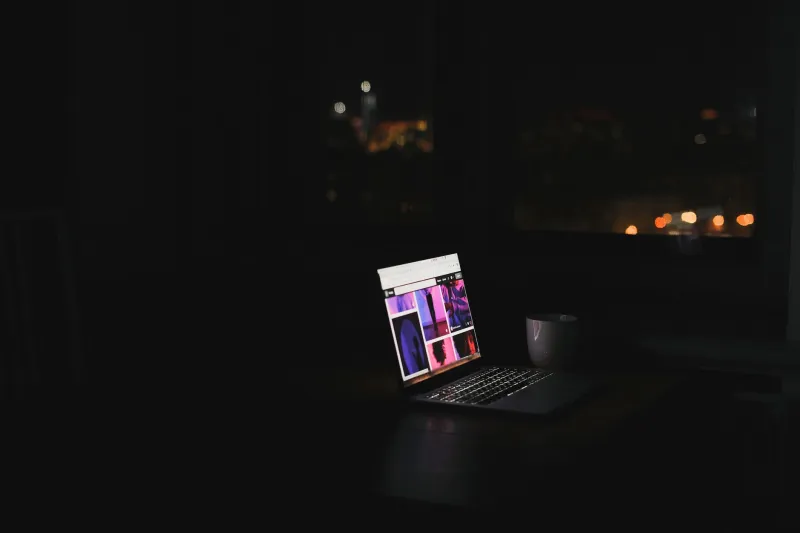
It's 1:47 in the morning. You've already brushed your teeth twice, told yourself you're going to sleep, and somehow ended up back on the couch with the remote in your hand. You open Netflix — or Hulu, or Max, doesn't really matter — and right there at the top of the screen is exactly the kind of movie you wanted. Not the prestige drama you'd pick at 8 PM. Something weirder. Looser. More you.
That moment isn't luck. It's math.
Streaming platforms have spent years quietly building recommendation engines that don't just learn what you like — they learn when you like it. And the late-night window, that strange stretch between midnight and 4 AM, has turned into one of the most data-rich, algorithmically active periods in the entire streaming day.
The Clock Is Part of the Data
Most people assume recommendation algorithms work on a simple loop: you watch something, the platform notes it, and next time it serves up something similar. That's basically true — but it's only half the picture.
Time of day is a variable that major platforms have been folding into their models for years. According to data scientists who've worked adjacent to these systems (most of whom won't go on record due to NDAs), timestamp data is treated as a serious behavioral signal. Watching a horror movie at 9 PM on a Saturday reads completely differently in the algorithm than watching one at 2 AM on a Tuesday. Same viewer, same genre — totally different context.
The reasoning is pretty intuitive once you hear it. Late-night viewers tend to be in a more passive, emotionally open state. Decision fatigue is real, and by midnight, most people aren't in the mood to commit to a three-hour epic or a demanding foreign-language film. The algorithm knows this. It de-prioritizes content that historically sees high abandonment rates during off-peak hours and surfaces shorter runtimes, higher comfort-factor titles, and — interestingly — content that tends to generate what the industry calls "completion spikes."
What a Completion Spike Actually Means
Here's a term worth knowing: completion rate. It's exactly what it sounds like — the percentage of viewers who start a title and watch it all the way through. Platforms are obsessed with this number because it's one of the clearest signals that a recommendation landed.
Late-night viewing sessions generate some of the highest completion rates across the board. Think about it: you're not going to start a movie at 1 AM and bail 20 minutes in to do something more productive. You're already committed to being irresponsible with your sleep schedule. You're going to finish the thing.
Algorithms have caught on. Titles with strong late-night completion histories get quietly boosted during those hours, creating a feedback loop where certain movies become almost exclusively associated with off-peak viewing. Genre-wise, this tends to favor psychological thrillers, dark comedies, creature features, and anything with a runtime under 100 minutes. Broad, breezy action movies also perform well — the kind of thing you can half-follow while your eyelids get heavy.
Personalization Doesn't Sleep
What makes the modern recommendation engine genuinely impressive — and a little unsettling — is how granular it gets. Platforms aren't just tracking genre preferences; they're tracking mood states inferred from behavior.
If you spend 40 minutes on a Sunday night browsing without committing to anything, that browsing pattern itself becomes data. The algorithm reads it as indecisiveness and may start serving up more "safe" picks — titles with broad appeal and low perceived risk. But if you've historically gone straight to the weird stuff after midnight with no hesitation, the system learns that too, and it'll start leading with the weird stuff.
Some platforms have gone even further by segmenting their user base into what internal teams sometimes call "temporal profiles" — essentially, sub-versions of your account that reflect how your tastes shift across the day. Your 7 PM self and your 2 AM self are, in the eyes of the algorithm, meaningfully different people. And honestly? They're not wrong.
The 24/7 Cinema Experience Nobody Asked For (But Everyone Wanted)
There's something kind of remarkable happening here when you zoom out. What streaming platforms have accidentally — or very deliberately — built is a personalized, around-the-clock cinema experience. Not a theater. Not a video store. Something new.
The old model of movie consumption was built around shared schedules. You went to the theater when the movie was playing. You watched TV when the network decided. Even early streaming was pretty passive — you searched, you picked, you watched. But the algorithm-driven platform of 2024 is actively working to match content to the specific version of you that exists at any given hour.
For genuine cinephiles, this cuts both ways. On one hand, it's incredible — the right movie at the right moment can feel almost spiritual. On the other hand, there's a real risk that the algorithm just keeps feeding you what it already knows you like, narrowing your taste over time instead of expanding it. If the system learns you always watch comfort horror at 2 AM, it may never think to show you that quiet, slow-burn Japanese drama that would've genuinely blown your mind.
How to Work the System in Your Favor
If you want to push back against the late-night algorithm bubble, there are a few moves worth trying. Deliberately watching something outside your usual wheelhouse during off-peak hours is one of the fastest ways to recalibrate what the system thinks it knows about you. Rate things. Most platforms still have rating or feedback systems that carry real weight in the model — using them is like talking directly to the algorithm.
You can also just... search. The recommendation carousel is curated, but the search bar is neutral. Going in with a specific title in mind bypasses the whole personalization machine and reminds you that there are thousands of movies on these platforms that the algorithm will never spontaneously surface for you.
The midnight algorithm is impressive. It's also a box. And the best thing about being a movie lover is that no box is ever big enough to hold everything worth watching.
Your screen never sleeps — but that doesn't mean you have to let it do all the thinking.